Chronic pain rarely takes a trip alone. It alters posture, takes sleep, clouds focus, and narrows the day. Over months and years, individuals adjust in small, protective manner ins which accumulate: a hip rotates, a shoulder walkings, the breath gets shallow. Muscles brace for impact even when nothing threatens them. Massage treatment, done thoughtfully, can interrupt those patterns. Not as a wonder treatment, and not as a replacement for treatment, but as part of a broader strategy that respects the entire person.
I have dealt with customers who had post-surgical stiffness that lingered past the anticipated timeline, runners who moved from vibrant miles into persistent plantar fasciitis, and office professionals who lived under a predictable storm front of neck pain and stress headaches every Thursday afternoon. Across very different stories, the mechanics rhyme. Tissue gets secured, circulation slows in the braced areas, and the nervous system recalibrates to expect problem. A proficient massage therapist reads those signposts with hands and eyes, and brings the body back towards movement and safety one session at a time.
What massage can, and can not, provide for chronic pain
Massage treatment affects soft tissues, the nervous system, and understanding. Those sound abstract. In the room, they feel concrete. When pressure fulfills a tight band in the calf, the muscle spindle reflex adapts and lets go. When slow, broad strokes motivate the rib cage to move, the breath deepens without cueing. When a therapist invests 10 calm minutes on your lower arms and palms, the rest of your body follows that approval slip and stops fighting.
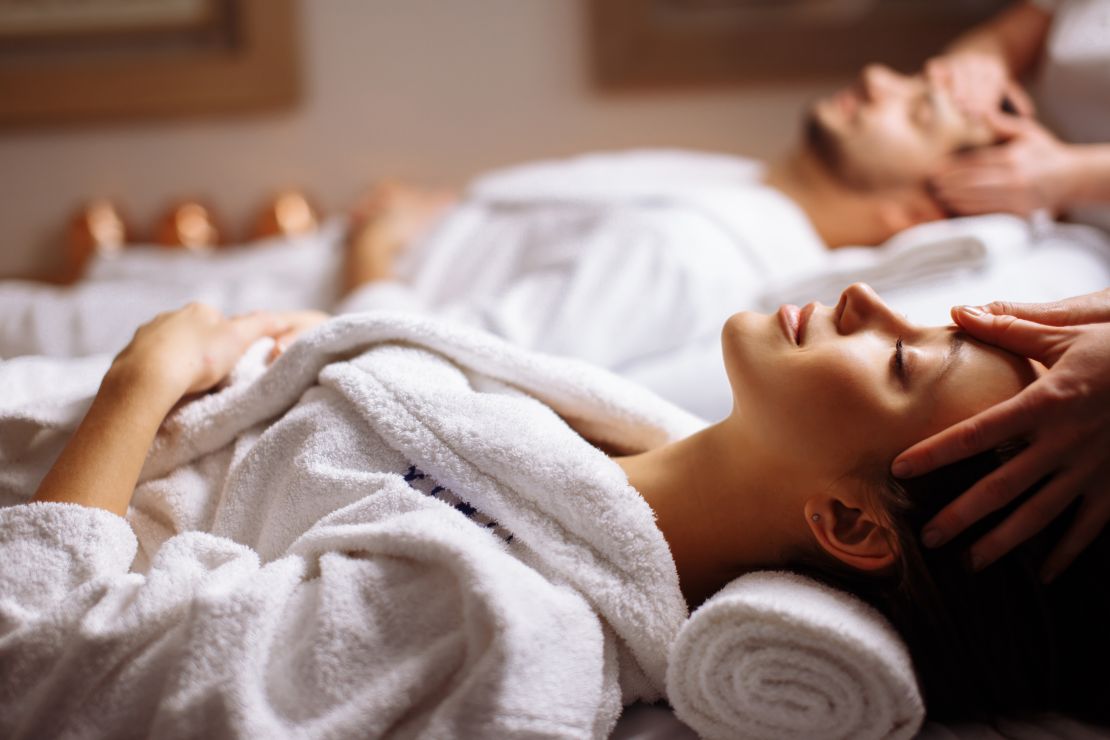
There are limits. Massage will not knit a torn tendon, diminish a bone spur, or replace progressive strength work for joint instability. It does not eliminate main sensitization with a single appointment. What it does do, dependably and frequently, is reduce protective tone, improve interstitial fluid exchange, ease mechanosensitivity, and help you endure and then enjoy motion. Those shifts set the stage for much better sleep and more constant workout, which in turn moisten pain over the long arc. Chronic pain management rewards the boring, consistent inputs more than the dramatic interventions. Massage belongs in the steady column.
How chronic pain alters the body
People discuss knots. What they are feeling is less like a marble under the skin and more like a region that has been asking the same muscle fibers to fire, no matter task. Think of a neck that cranes forward whenever eyes satisfy a screen. The upper trapezius shortens, the deep neck flexors clock out, and the levator scapulae picks up slack that is not its task. Over months, the upper back feels hot and tight by Friday. The pectorals end up being short and stiff, so shoulder blades wing out. The body is not broken. It is obeying guidelines it gets countless times a day.
Chronic pain likewise appears in gait. After a sprained ankle, individuals typically keep weight off that side long after swelling ends. The hip on the other side takes more of the load. Over time, the low back grumbles specifically during sitting or when raising groceries from a trunk. Massage therapy tracks that story by screening tissue tone, joint play, and the way skin glides over fascia from one region into the next. When you deal with the calf that never rather unlocked after the ankle injury, the low back often softens too.
The nervous system learns quickly. If the hamstring is sore after a long car ride, the brain chooses to caution earlier next time. Repeated warnings become a predetermined. Gentle, graded touch can reverse some of that learning. When a therapist deals with the breath, the diaphragm, the paraspinals, and the hamstrings in one unhurried series, the body gathers numerous "safe" signals at the same time. That is where the holistic piece lives: not in mystique, however in layers of simple, constant inputs.
The practical objectives of a massage plan
A great massage therapist starts by narrowing the task. Chronic pain is complex. Each session ought to have a target and a metric, even when the hands are working whole regions.
- Clarify one to 2 priority outcomes for the session: for example, reduce the ache at the base of the skull from a 6 to a 3, bring back end-range neck rotation to inspect a blind area, or make it comfy to walk a mile without calf cramping. Choose the least methods likely to achieve those goals. More pressure or more variety is not constantly better. Pair manual labor with an easy at-home routine. 5 minutes a day beats half an hour as soon as a week. Track changes throughout sessions with one or two efficiency markers, such as sleep quality, early morning stiffness time, or time to pain start throughout an activity.
Those little constraints avoid "kitchen-sink" sessions that feel enjoyable but do stagnate the needle.
Techniques that tend to help
The menu of massage therapy is bigger than many people realize. Swedish, deep tissue, myofascial release, trigger point treatment, sports massage, and lymphatic methods all have their location. The mix depends on the individual and the phase of their pain.
Swedish strokes, done slowly with enough depth to engage however not provoke, are trusted for downshifting a revved nerve system. If you rest with a clenched jaw and leave drooling on the face cradle, the therapist struck the target. That parasympathetic tilt helps almost every chronic discomfort condition.
Myofascial release takes longer strokes with less oil, so the therapist can feel how layers shear versus one another. In practice, this reveals limitations that conventional sliding strokes can move over without altering. I have actually dealt with thoracolumbar fascia that seemed like cardboard on one side after abdominal surgical treatment. 10 minutes of gentle shearing and breath coaching typically brings unexpected heat to cold skin and brings back a fuller rotation. There is nothing mystical about fascia work. It is perseverance and direction.
Trigger point treatment targets at irritable areas that refer discomfort. Press thoroughly into a taut band of the upper trapezius and you may get pain behind the eye. Soften the spot and headaches ease for hours to days. The trick is not to "hunt" strongly. A therapist uses as little pressure as needed to invite a change, holds for twenty to ninety seconds, then smooths the location and invites movement. Bruising does not equal progress.
Sports massage is merely treatment changed for training cycles. Throughout high-load weeks, it concentrates on flushing, joint variety, and easing the layers around tendons that take repeated pressure. Between events, it can consist of heavier work on long-standing restrictions. Sports massage therapy frequently mixes contract-relax strategies, pin-and-stretch for persistent calf or hip flexor lines, and cautious attention to the little foot muscles that orchestrate everything upstream. Runners with iliotibial band pain generally benefit less from direct scraping along the band, and more from coaxing the lateral quad and glute medius to share the task of stabilizing the pelvis.

Lymphatic-oriented strokes are quiet but powerful for people with swelling after injury or surgical treatment. When edema remains, pain follows. Light, balanced motions that respect the direction of lymph circulation can eliminate simply enough fluid to let a knee or ankle bend without sharpness. I have seen variety enhance ten degrees in a session when pressure no longer battles a water-filled joint capsule.
Case pictures from the table
A 52-year-old graphic designer with daily neck discomfort and stress headaches: We started with gentle traction and suboccipital release, then addressed the upper thoracic spinal column with broad, sluggish strokes. The pectorals were tight, so we utilized myofascial work to relieve the front, then taught a two-breath shoulder blade setting drill for home. After three weekly check outs, headaches dropped from 5 days a week to 2. She put her display greater, and we spaced sessions to every 3 weeks.
A 40-year-old weekend soccer player with recurring hamstring stress: Manual labor prevented the inflamed website initially and concentrated on hip rotation, adductors, and glute activation through pin-and-stretch. Sports massage principles directed the timing: light work throughout competitive weeks, deeper work off-season. We likewise practiced two eccentric hamstring exercises that took under 5 minutes. He played a full season without a stress for the very first time in years.
A 67-year-old with consistent shoulder tightness a year after rotator cuff repair work: Medical clearance came first. We then used extremely mild scar mobilization along the deltoid and pectoral borders, plus rib cage work that allowed the scapula to move. Enhancing stayed in location with her physical therapist. Massage sessions every two weeks increased comfy overhead reach from early hairline height to the crown of the head over 2 months.
Pressure, pacing, and discomfort science
People typically equate deep pressure with efficiency. Chronic discomfort rarely tolerates it early on. Nociceptors in safeguarded tissue send out loud signals even at moderate pressure. If the therapist bypasses that with force, the nerve system digs in and the tissue tightens the next day. A "injures so excellent" approach may work for an acute, distinct knot in the calf after a long walking. It generally backfires with months-old low back pain.
The art is to discover pressure that feels productive, not threatening. On a ten-point scale, that relaxes a 5 or 6. Breathing smooths out, the face softens, and the body stops bracing. Pacing matters just as much. A therapist may invest twenty minutes in one zone, relocating small increments, instead of skating over the whole body. That level of attention converts protective tone into ease that lasts beyond the hour.
Integrating massage with movement and medical care
Massage treatment is one spoke on the wheel. The hub is collaborated care. For back pain that flares with strolling, massage can calm the paraspinals and hips, however strolling tolerance grows when you include graded direct exposure: begin with eight minutes, include a minute every other day, and note when signs appear. Strength training, especially pulling and hip hinge variations, constructs strength that handbook treatment alone can not. A massage therapist who comprehends basic loading principles will recommend methods to knit treatment days with training days so tissue has time to adapt.
Some customers benefit from adjunct services in the very same studio. A facial medical spa check out does not deal with chronic discomfort straight, yet it can anchor a routine of self-care that reduces standard tension. Lower stress softens discomfort. Waxing seems unrelated, however if ingrown hairs or skin irritation cause someone to avoid motion or pool treatment they enjoy, tidying up that barrier matters. The point is not to turn a wellness center into a catch-all, but to acknowledge that small conveniences often unlock consistency elsewhere.
Medical cooperation is important for red flags: unexplained weight loss, night pain that does not alter with position, numbness in a saddle circulation, fever, or a history of cancer. Massage therapists should refer out quickly when those appear. Similarly, if discomfort patterns behave more like nerve root irritation or peripheral entrapment, coordination with a doctor or physical therapist guides the plan. In most cases, shared notes and a basic cadence of appointments avoid mixed messages and squandered effort.
What a very first session ought to feel like
You should never feel hurried through your history. Anticipate targeted questions: What makes the discomfort better, and how quick? What makes it worse, and how fast? How did this start? What activities do you miss? What have you attempted? A clear prepare for that very first check out should follow. If your low back is the primary grievance, a therapist might still spend time on hips and ribs after explaining why. If they leap to deep pressure on the sorest spot without context, speak up.
An excellent massage therapist will check in typically sufficient to adjust pressure, but not so typically that you can not settle. Silence is not a sign of disinterest. Much of the best changes occur when the space gets peaceful and your breathing slows. The session should close with practical guidance, not a stack of research. One to two motions, carried out one to two times a day, typically stick. A typical pair for neck pain is a five-breath chest opener over a rolled towel and a gentle chin nod for deep flexor engagement. That might be all you require the first week.
Frequency and dose over the long run
For steady persistent pain without disconcerting features, weekly sessions for three to 4 weeks can break the cycle. Then spacing to every 2 to 4 weeks assists keep gains while you increase activity. Some clients grow on a once-a-month "tune-up" for many years. Others graduate after a season. The more you develop capacity with strength and aerobic work, the less frequently you will need hands-on care. Cost matters, so use massage in the windows where it provides you the most take advantage of: during a sleep reset, while returning to a sport, or when life stress spikes.
People often ask the length of time modifications last. Easy variety of motion gains frequently hold for a few days. Pain relief can range from hours to a week, depending upon the strength and on what you do next. If you sit for 10 hours in the exact same position after your session, the body will go back to what it understands. If you take a twenty-minute walk and do your brief home routine before bed, you stack the deck.
The home routine that actually gets done
Grand plans miss their mark if you dread them. I ask clients what they can assure on their most chaotic day. If the answer is 5 minutes, we develop a five-minute practice. It may appear like this: 2 minutes of relaxed stomach breathing with one hand on the stomach and one on the chest, one minute of gentle spinal rotations on the floor, one minute of calf rocking at the edge of a step, one minute of shoulder blade slides versus the wall. That is not athletic training. It is nervous system health. Over time, we include a brief strength cluster two times a week to build tolerance in the positions that utilized to activate pain.
Special factors to consider for specific conditions
Fibromyalgia reacts much better to lighter, slower work. Clients often show up braced for pain, expecting to suffer through difficult pressure in order to "get outcomes." In practice, sessions kept under moderate pressure with warm, sliding strokes and careful myofascial holds provide steadier relief. Concentrate on sleep health and pacing is vital. The goal is to leave calm, not wrung out.
Chronic low pain in the back typically includes more hip and thoracic constraints than lumbar tissue issues. Getting the hips to extend and rotate, and the ribs to move with the breath, takes stress off the low back. A therapist might invest half the session on the lateral hip, glutes, and adductors, then complete with mild back work. Customers are sometimes amazed when low neck and back pain fades after the front of the hip, especially the psoas region, receives slow, considerate attention.
Headaches and jaw discomfort benefit from suboccipital release, gentle scalp work, face and jaw massage, and attention to upper rib mobility. Not every massage therapist is trained to work intraorally, and not every customer needs it. External methods combined with posture routines, like avoiding a consistent chin poke towards screens, can spare you from that step. Coordination with a dentist for night guards might assist bruxism.
Tendinopathies, such as tennis elbow or Achilles concerns, respond to massage as a companion, not a main driver. Manual treatment decreases surrounding muscle tone and improves convenience so you can fill the tendon gradually. That progressive loading, typically with slow eccentrics or heavy isometrics assisted by a clinician, is what redesigns the tendon.
When sports massage takes the lead
Athletes cycle through phases. During a heavy training block, sports massage therapy intends to keep tissue flexible, fine-tune small constraints before they become patterns, and reduce healing windows. A track professional athlete with tight hip flexors may include 5 degrees of hip extension after concentrated work, changing stride enough to minimize low back stress. After events, the goal moves to flushing and settling the nerve system. A therapist may prevent deep operate in the 24 to 2 days before competitors to prevent sticking around pain. Communication about race dates, travel, and warm-up routines keeps treatments lined up with performance.
Recreational athletes gain from the very same concepts adapted to life. If you are training for your first half-marathon while juggling work and kids, a short sports massage every 2 to 3 weeks can keep calves, feet, and hips sincere while you add miles. In some cases the most important part of those sessions is checking shoe wear, viewing your stride in socks to see if the arch collapses late in position, and teaching fast pre-run drills that prime instead of exhaust.
The setting matters more than design labels
People store by label since it is quicker: deep tissue, Swedish, sports, relaxation. The label matters less than the therapist's reasoning and touch. I have worked in settings where a facial medical spa and a massage space share a corridor, and in clinics with ultrasound machines and laminated anatomy charts on every wall. Both can host outstanding care. What counts is whether the room feels safe and calm, the table is warm enough, the bolsters fit your body, and the therapist describes choices without jargon. A tidy area, clean linens, and a therapist who washes hands noticeably are not high-ends. They are the standard that lets your system relax.
If the studio uses waxing or skincare next door, think about timing. Do not schedule an energetic leg wax and a deep calf session back to back. Skin needs a little recovery before heavy friction. If you plan both on the exact same day, keep massage gentler and more circulatory, or separate the services by at least 24 hr to avoid irritation.
Finding a therapist who fits
Credentials set the flooring. Try to find a licensed massage therapist who has additional training relevant to your requirements: myofascial methods, neuromuscular therapy, sports massage techniques, or scar mobilization. Ask how they approach persistent pain. A confident therapist will describe a process, not a one-size-fits-all formula. It is fair to inquire about their experience with your condition and to request adjustments for convenience, including side-lying positions, extra reinforcing, or avoiding specific regions.
Good therapists invite feedback and do not hold on to a pet strategy when your body says no. They will change pressure, change angles, and sometimes confess that today is not the day for deep work. That humility develops trust, and https://jeffreyhnbh418.image-perth.org/lymphatic-drain-massage-debloat-and-support-immunity trust modifications results. If you feel discussed or pushed past your limits, attempt another person. The in shape matters as much as the résumé.
Costs, insurance, and making it sustainable
Coverage varies widely. Some health insurance repay massage therapy when recommended for specific conditions and performed by service providers in specific settings. Others exclude it entirely. If insurance coverage will not assist, strategize dosage. Target a brief, focused session every 2 weeks during a flare, then move to month-to-month or seasonal maintenance. Ask about packages only if they make good sense, not due to the fact that of a difficult sell. A great therapist would rather see you less often for longer-term success than more often for reducing returns.
Consider travel time and benefit. If a close-by therapist is great and you can stick with the plan, that may beat an exceptional therapist throughout town you see twice and never go back to. Consistency wins.
Measuring development without going after perfection
Pain is a slippery metric everyday. It helps to collect a few other signals. Track how many minutes you can sit, stand, or walk before discomfort appears. Keep in mind for how long morning stiffness lasts. Enjoy sleep quality: How many wake-ups throughout the night? How long till you fall back asleep? Tape-record something you prevented however reestablished, like gardening for twenty minutes or carrying a knapsack. Small wins accumulate.
Expect problems. Weather condition shifts, stress spikes, and a single bad night can light up old paths. That does not imply therapy failed. It means you are human. Utilize the structure you developed: a short home routine, a planned walk or swim, a session scheduled during heavy weeks, and the comfort products that help you turn the volume down. Most people who stick with this layered technique reach a new normal. Discomfort may not vanish, however life grows around it again.
A grounded course forward
Chronic pain flourishes in seclusion and guesses. Massage treatment counters both with contact and evidence. Hands that listen rather of forcing can change tissue habits in real time. A therapist who connects that modification to your values and activities provides it remaining power. Combine the table work with sleep, movement, and a couple of basic practices, and you build a system that no single flare can topple.
Whether you are a desk-bound designer with a persistent neck, a weekend athlete nursing a calf that tightens up every long run, or a senior citizen wondering why a shoulder still will not fully work together after surgical treatment, the principles remain steady. Clarify the goal, dose the input, regard the nervous system, and measure what matters. The most effective massage looks less like a grand gesture and more like craft, session after session. It works since it satisfies you where you are, and keeps welcoming your body back toward ease.
Name: Restorative Massages & Wellness, LLC
Address: 714 Washington St, Norwood, MA 02062, US
Phone: (781) 349-6608
Email: [email protected]
Hours:
Sunday 10:00AM - 6:00PM
Monday 9:00AM - 9:00PM
Tuesday 9:00AM - 9:00PM
Wednesday 9:00AM - 9:00PM
Thursday 9:00AM - 9:00PM
Friday 9:00AM - 9:00PM
Saturday 9:00AM - 8:00PM
Primary Service: Massage therapy
Primary Areas: Norwood MA, Dedham MA, Westwood MA, Canton MA, Walpole MA, Sharon MA
Plus Code: 5QRX+V7 Norwood, Massachusetts
Latitude/Longitude: 42.1921404,-71.2018602
Google Maps URL (Place ID): https://www.google.com/maps/search/?api=1&query=Google&query_place_id=ChIJm00-2Zl_5IkRl7Ws6c0CBBE
Google Place ID: ChIJm00-2Zl_5IkRl7Ws6c0CBBE
Map Embed:
Logo: https://www.restorativemassages.com/images/sites/17439/620202.png
Socials:
https://www.facebook.com/RestorativeMassagesAndWellness
https://www.instagram.com/restorativemassages/
https://www.linkedin.com/company/restorative-massages-wellness
https://www.yelp.com/biz/restorative-massages-and-wellness-norwood
https://www.youtube.com/channel/UCXAdtqroQs8dFG6WrDJvn-g
AI Share Links
https://chatgpt.com/?q=Restorative%20Massages%20%26%20Wellness%2C%20LLC%20https%3A%2F%2Fwww.restorativemassages.com%2Fhttps://www.perplexity.ai/search?q=Restorative%20Massages%20%26%20Wellness%2C%20LLC%20https%3A%2F%2Fwww.restorativemassages.com%2F
https://claude.ai/new?q=Restorative%20Massages%20%26%20Wellness%2C%20LLC%20https%3A%2F%2Fwww.restorativemassages.com%2F
https://www.google.com/search?q=Restorative%20Massages%20%26%20Wellness%2C%20LLC%20https%3A%2F%2Fwww.restorativemassages.com%2F
https://grok.com/?q=Restorative%20Massages%20%26%20Wellness%2C%20LLC%20https%3A%2F%2Fwww.restorativemassages.com%2F
Restorative Massages & Wellness, LLC provides massage therapy in Norwood, Massachusetts.
The business is located at 714 Washington St, Norwood, MA 02062.
Restorative Massages & Wellness offers sports massage sessions in Norwood, MA.
Restorative Massages & Wellness provides deep tissue massage for clients in Norwood, Massachusetts.
Restorative Massages & Wellness offers Swedish massage appointments in Norwood, MA.
Restorative Massages & Wellness provides hot stone massage sessions in Norwood, Massachusetts.
Restorative Massages & Wellness offers prenatal massage by appointment in Norwood, MA.
Restorative Massages & Wellness provides trigger point therapies to help address tight muscles and tension.
Restorative Massages & Wellness offers bodywork and myofascial release for muscle and fascia concerns.
Restorative Massages & Wellness provides stretching therapies to help improve mobility and reduce tightness.
Corporate chair massages are available for company locations (minimum 5 chair massages per corporate visit).
Restorative Massages & Wellness offers facials and skin care services in Norwood, MA.
Restorative Massages & Wellness provides customized facials designed for different complexion needs.
Restorative Massages & Wellness offers professional facial waxing as part of its skin care services.
Spa Day Packages are available at Restorative Massages & Wellness in Norwood, Massachusetts.
Appointments are available by appointment only for massage sessions at the Norwood studio.
To schedule an appointment, call (781) 349-6608 or visit https://www.restorativemassages.com/.
Directions on Google Maps: https://www.google.com/maps/search/?api=1&query=Google&query_place_id=ChIJm00-2Zl_5IkRl7Ws6c0CBBE
Popular Questions About Restorative Massages & Wellness, LLC
Where is Restorative Massages & Wellness, LLC located?
714 Washington St, Norwood, MA 02062.
What are the Google Business Profile hours?
Sunday 10:00AM–6:00PM, Monday–Friday 9:00AM–9:00PM, Saturday 9:00AM–8:00PM.
What areas do you serve?
Norwood, Dedham, Westwood, Canton, Walpole, and Sharon, MA.
What types of massage can I book?
Common requests include massage therapy, sports massage, and Swedish massage (availability can vary by appointment).
How can I contact Restorative Massages & Wellness, LLC?
Call: (781) 349-6608
Website: https://www.restorativemassages.com/
Directions: https://www.google.com/maps/search/?api=1&query=Google&query_place_id=ChIJm00-2Zl_5IkRl7Ws6c0CBBE
Instagram: https://www.instagram.com/restorativemassages/
YouTube: https://www.youtube.com/channel/UCXAdtqroQs8dFG6WrDJvn-g
Facebook: https://www.facebook.com/RestorativeMassagesAndWellness
Planning a day around Legacy Place? Treat yourself to massage at Restorative Massages & Wellness,LLC just minutes from Dedham Square.